
Red Wine vs. White Wine - A Simple Guide to Finding What You Actually Like

If you've ever been asked whether you prefer red or white wine and weren't quite sure how to answer, you're not alone. Wine can seem complicated when conversations start drifting into grape varieties, regions, vintages, tannins, acidity, and tasting notes. It doesn't need to be.

The biggest difference between red and white wine comes down to how they're made and the flavors that process creates. Neither is automatically better, more sophisticated, or more appropriate. The best wine is simply the one you enjoy drinking.
If you're trying to figure out what you like, understanding a few basic differences between red and white wine is a great place to start.
What's the Main Difference Between Red and White Wine?
The obvious main difference between red and white wine is color, but there's more happening inside the bottle.
Red wines are generally produced by allowing grape juice to remain in contact with the grape skins during fermentation. Those skins contribute color, flavor, and tannins to the finished wine.
White wines are generally fermented without prolonged skin contact, creating the lighter color and different flavor characteristics associated with white wine.
Those differences in production help explain why a bold Cabernet Sauvignon tastes so different from a crisp Sauvignon Blanc.
For someone new to wine, however, you don't need to understand every detail of winemaking to choose a bottle you'll enjoy. Start with flavor.
What Does Red Wine Taste Like?
There isn't one flavor that defines red wine. Some reds are light, bright, and fruit-forward. Others are rich, dry, earthy, spicy, or powerful.
Depending on the grape and winemaking style, you may notice flavors or aromas reminiscent of:
Cherry
Blackberry
Plum
Raspberry
Vanilla
Baking spices
Tobacco
Chocolate
Oak
You'll also hear people talk about tannins when discussing red wine. Tannins contribute some of the dry or slightly puckering sensation you may notice after taking a sip. Think about the sensation you get from strong black tea. Some red wines have pronounced tannins, while others are much softer.
If you've tried a red wine before and thought it was too dry or harsh, that doesn't mean you dislike red wine. You may simply prefer a softer style.
What Does White Wine Taste Like?
White wines can be just as varied. Some are extremely crisp and refreshing. Others are fruity, floral, creamy, rich, or even sweet.
Common flavors and aromas can include:
Apple
Pear
Peach
Citrus
Melon
Tropical fruit
Flowers
Honey
Vanilla
A Sauvignon Blanc, for example, can taste dramatically different from a Chardonnay even though they're both white wines.
This is why saying "I don't like white wine" after trying one bottle is a little like saying you don't like sandwiches after trying one sandwich. There's a lot more to explore.
Is White Wine Sweeter Than Red Wine?
This is one of the most common misconceptions among people who are beginning to explore wine. Both red and white wines can range from very dry to noticeably sweet.
When someone says they prefer white wine because it's sweeter, what they may actually enjoy is a particular style of white wine they've encountered before. That's useful information when you're shopping.
Instead of simply asking for a white wine, tell the staff that you prefer something slightly sweet. Likewise, if you want a white wine without noticeable sweetness, ask for something dry and crisp. The more accurately you describe what you enjoy, the easier it becomes to find the right bottle.
Which Wine Is Easier for Beginners?
Someone who already enjoys bold coffee, dark chocolate, whiskey, or other strong flavors may immediately appreciate a fuller-bodied red wine. Someone who prefers lighter, refreshing drinks may feel more comfortable beginning with a white, rosé, or sparkling wine.
The trick is to stop thinking about "beginner wine" and start thinking about your preferences. Tell the person helping you what else you like to drink and eat. Those preferences can provide clues about which wines may appeal to you.
What Food Goes With Red Wine?
You've probably heard the traditional rule: Red wine with red meat. White wine with fish and chicken.
It's not a terrible starting point, but it's far from an absolute rule.
Many red wines pair beautifully with:
Steak
Burgers
Barbecue
Roasted meats
Pasta with tomato-based sauces
Aged cheeses
Charcuterie
The intensity of the food matters. A hearty steak can stand up to a bold red wine because neither overwhelms the other. A lighter dish might be better served by a softer red.
But if you genuinely prefer white wine with your steak, that's what you should drink. Wine is supposed to make dinner more enjoyable, not turn it into a test.
What Food Goes With White Wine?
White wines are incredibly versatile with food.
Depending on the style, they can work beautifully with:
Seafood
Chicken
Salads
Pasta
Cream sauces
Soft cheeses
Spicy foods
Grilled vegetables
Light appetizers
Crisp white wines can provide a refreshing contrast to rich or salty foods, while fuller-bodied whites can handle dishes with considerably more richness. Some slightly sweeter wines can also pair surprisingly well with spicy food because sweetness can help balance heat.
If you're shopping for wine specifically for dinner, tell the staff what's on the menu. That's often one of the easiest ways to narrow down your options.
What About Rosé?
If you're stuck between red and white, don't forget about rosé. Rosé is produced using red wine grapes, but the juice typically spends much less time in contact with the grape skins. The result is the familiar pink color and a style that can combine some characteristics associated with both reds and whites.
Rosé can range from very dry to sweeter styles and is especially popular when served chilled. It's also extremely food-friendly, making it a great choice for backyard gatherings, brunch, appetizers, grilled foods, and warm-weather entertaining. And despite its reputation as a summer drink, there's no rule saying rosé disappears when summer ends.
Sparkling Wine Isn't Just for Celebrations
Sparkling wine deserves consideration too. Many people only think about sparkling wine for weddings, New Year's Eve, and major celebrations. In reality, it can be one of the most versatile styles to keep around.
Depending on the bottle, sparkling wines can range from dry and crisp to noticeably sweet. They can work as an aperitif, complement a meal, pair with appetizers, or simply make an ordinary evening feel a little more interesting. You don't need an excuse to open one.
Stop Worrying About the "Correct" Wine
Wine culture sometimes makes people feel as though there's a correct answer to every decision, but honestly, there isn't. You don't need to prefer red wine because someone tells you it's more sophisticated. You don't have to drink Chardonnay because you're eating chicken. And you certainly don't need to pretend you enjoy a bottle simply because it was expensive. Your preferences are what matter.
Try different styles. Pay attention to what you enjoy. Remember the names of bottles you like, or take a picture of the label with your phone. The next time you shop, that information gives the staff a starting point for recommending something new. Over time, you'll naturally learn more about wine without ever having to study it.
Finding Wine in St. Joseph, Missouri
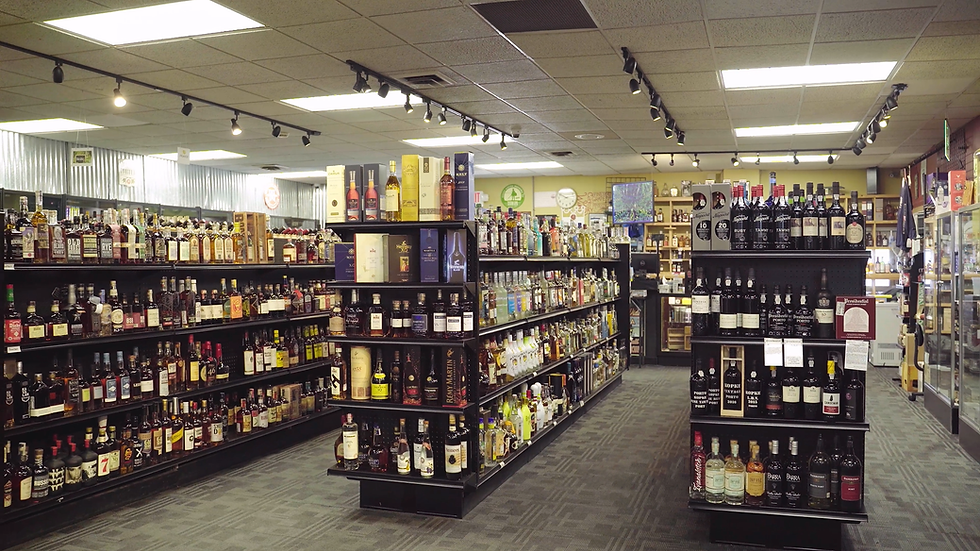
One of the easiest ways to learn about wine is simply to try it. Smooth Endings offers customers in St. Joseph and Northwest Missouri a selection of fine wine covering different styles, flavor profiles, occasions, and price points.
Whether you're searching for a bold red for dinner, a crisp white for the weekend, a bottle of rosé for a gathering, or sparkling wine for a celebration, you don't need to arrive knowing exactly what you want.
Tell us what you've enjoyed before, what you're eating, what you're celebrating, or how much you'd like to spend. We'll help narrow down the options.
Smooth Endings is conveniently located near Belt Highway and Beck Road in St. Joseph, making it easy to explore wine alongside premium spirits, bourbon, craft beer, THC-infused beverages, and premium cigars.
The best way to figure out whether you're a red wine person or a white wine person? Why not try both? You may discover you're neither. You may discover you're both.
Frequently Asked Questions
Is red wine better than white wine?
No. Neither is inherently better. Red and white wines offer different flavors and styles, and the better choice comes down to your personal preferences, the occasion, and sometimes the food you're serving.
Is red wine always dry?
No. Red wines are available across different levels of sweetness, although many popular red wines are produced in dry styles.
Is white wine always sweet?
No. Many white wines are completely dry. Sauvignon Blanc, Pinot Grigio, and many styles of Chardonnay, for example, are commonly available as dry wines.
Should red wine always be served with meat?
No. Traditional pairing guidelines can be helpful, but they're not rules. Choose a wine you enjoy and experiment with different food combinations.
Where can I buy red and white wine in St. Joseph, Missouri?
Smooth Endings in St. Joseph offers a curated selection of red, white, rosé, and sparkling wines with knowledgeable recommendations to help customers find bottles that fit their tastes, meals, occasions, and budgets.


Comments