
How to Choose a Bottle of Wine When You Don't Know Much About Wine
Standing in front of a wall of wine can be intimidating. There are dozens of grape varieties, regions, vintages, price points, and labels competing for your attention. If you don't know much about wine, choosing the right bottle can quickly turn into grabbing something with an attractive label and hoping for the best.

Fortunately, you don't need to be a wine expert to choose a good bottle. A few simple questions about what you like, what you're eating, how much you want to spend, and why you're buying the wine can narrow hundreds of choices down to a handful of great options.
At Smooth Endings in St. Joseph, Missouri, you can also simply ask for help. Tell the staff what you're looking for, even if all you can say is, "I need a good bottle of wine for dinner," and that's enough to get the conversation started.
Start With the Occasion
Before worrying about grapes, regions, or vintages, ask yourself why you're buying the wine.
Are you having friends over for dinner? Bringing a bottle to someone's house? Celebrating an anniversary? Buying a gift? Or are you simply looking for something good to enjoy on a Friday night? The occasion can immediately help narrow the selection.
For a casual gathering, you may want an approachable wine that will appeal to several different tastes. A special dinner might call for something a little more distinctive. If you're buying a gift, presentation and the recipient's preferences may become more important. There's no reason to make the decision more complicated than it needs to be.
Know Whether You Prefer Sweet or Dry
One of the easiest places for a wine beginner to start is with sweetness.
Do you generally prefer sweeter drinks, or do you enjoy flavors that are less sweet and more crisp, tart, earthy, or bold?
If you enjoy sweeter beverages, tell the person helping you choose a bottle. If you dislike sweet wine, say that too.
You don't need to know the difference between every grape variety. Simply describing what you normally enjoy gives a knowledgeable wine retailer useful information.
Even saying, "I don't like anything too dry," or "I want something crisp and not sweet," can dramatically narrow the choices.
Think About Red, White, Rosé, or Sparkling
You don't have to follow rigid rules about which wine you're supposed to drink. If you prefer white wine with steak, drink white wine with steak. That said, understanding the broad categories can make shopping easier.
White wines can range from light, crisp, and refreshing to rich and creamy. Reds can range from soft and fruity to bold, dry, and tannic. Rosé often provides a refreshing middle ground, while sparkling wine isn't limited to weddings and New Year's Eve.
If you're unsure where to begin, think about the flavors and beverages you already enjoy rather than trying to memorize wine terminology.
Let Dinner Help Make the Decision
Food is one of the best clues for choosing wine. You don't need a complicated pairing chart, either.
If dinner is light and fresh, such as seafood, salads, or grilled chicken, a crisp white or rosé may be a great place to start. Richer dishes can often handle fuller wines. Steak, roasted meats, hearty pasta, and similar dishes frequently pair well with reds that have more body and structure.
Spicy foods can be particularly interesting because slightly sweeter or fruit-forward wines can help balance some of the heat. And pizza? You have plenty of options.
The goal of pairing wine with food isn't to follow a set of rules. It's to find a combination where neither the food nor the wine overwhelms the other.
If you're shopping at Smooth Endings and know what's on the menu, tell the staff. "We're having salmon tonight" is much more useful than trying to pretend you know which French wine region you're supposed to be shopping in.
Set a Budget Before You Start
Here's something new wine drinkers should know: you do not have to spend a fortune to get a good bottle of wine.
Excellent wines are available at many price points.
Setting a budget actually makes shopping easier because it immediately narrows the field. Tell the staff you're looking for something around $15, $25, $40, or whatever amount makes sense for the occasion.
A higher price can sometimes reflect production methods, aging, scarcity, reputation, or the vineyard itself, but price alone doesn't determine whether you'll enjoy the wine.
A $20 bottle you love is a much better purchase than a $75 bottle you don't.
Don't Buy Wine Based Only on the Label
Wine producers know packaging matters.
That's why shelves are filled with beautiful illustrations, elegant typography, unusual bottle shapes, clever names, and labels designed to catch your attention.
There's nothing wrong with choosing a bottle because it looks interesting, but the label doesn't tell you whether you'll actually enjoy what's inside.
Instead, turn the bottle around, read the description, and ask questions. Better yet, describe what you're looking for to someone who knows the selection.
You may end up leaving with a bottle you would have walked right past on your own.
Choosing Wine as a Gift
Wine makes a great gift because it can feel thoughtful without being overly complicated. But what if you don't know what the recipient drinks?
Start with whatever information you have.
Do they usually drink red or white? Do they enjoy wine regularly? Are they adventurous, or do they tend to stick with familiar favorites? Is the bottle intended to be enjoyed soon, or are you looking for something that feels more special?
You can also give the retailer your budget and occasion.
For example:
"I need a nice bottle for a client's retirement and I'd like to spend around $50."
That's enough information for someone knowledgeable about wine to begin making useful recommendations.
Wine can work especially well for housewarmings, anniversaries, birthdays, weddings, hostess gifts, holidays, corporate gifts, and thank-you gifts.
Ask for Recommendations Without Feeling Intimidated
One reason people sometimes feel uncomfortable shopping for wine is the belief that they're supposed to know more than they do. Don't worry, you aren't.
You don't need to know what tannins are. You don't need to pronounce every French or Italian region correctly. And you definitely don't need to pretend you've detected "hints of forest floor" in your last glass of red wine.
Just explain what you like.
At Smooth Endings, a conversation might start with something as simple as:
"I usually like sweeter wines."
"I want a red that's smooth and not too heavy."
"We're having people over and I need something most people will like."
"My wife loves Chardonnay, but I want to surprise her with something different."
Those simple clues are far more useful than trying to shop based on terminology you don't understand.
Try Something New Once in a While
Once you find a wine you love, it's tempting to buy it every time.
There's nothing wrong with having favorites, but exploring is part of what makes wine interesting.
If you already know a particular wine you enjoy, use it as a starting point. Ask for another bottle with similar characteristics from a different winery, grape, or region. You don't have to jump from a light Pinot Grigio straight into an enormous Cabernet Sauvignon.
Small steps can introduce you to new styles without completely abandoning what you already know you like.
Over time, you'll begin recognizing the characteristics you prefer, and choosing wine becomes much easier.
Where to Buy Wine in St. Joseph, Missouri
If you're looking for wine in St. Joseph, the best wine shop for you isn't necessarily the store with the most bottles. It's the store that combines a good selection with people who can help you navigate it.
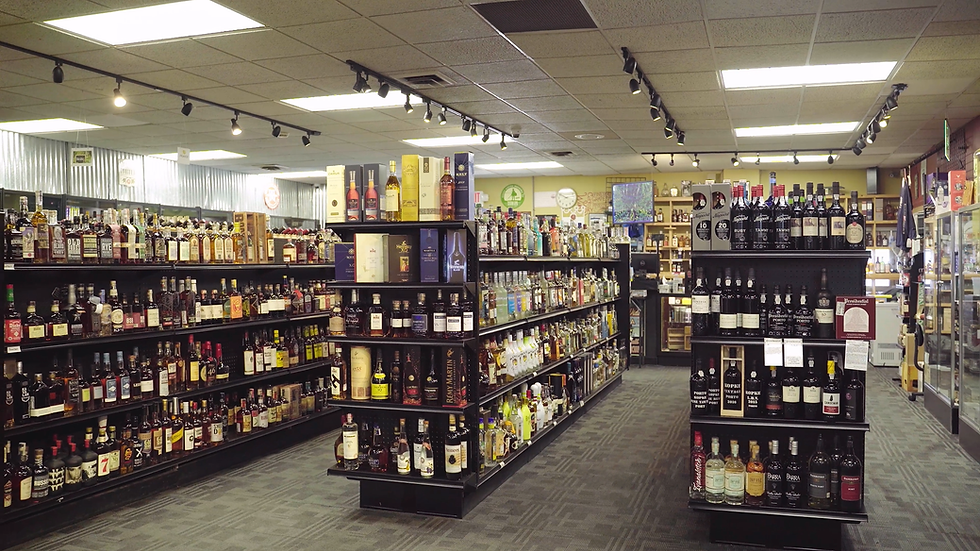
Smooth Endings offers fine wine alongside premium spirits, bourbon, craft beer, THC-infused beverages, and premium cigars, giving customers plenty to explore in one convenient location. Located near Belt Highway and Beck Road in St. Joseph, Smooth Endings serves customers throughout the community and Northwest Missouri.
Whether you're planning an elaborate dinner or simply want a good bottle to enjoy tonight, don't worry about knowing exactly what you want before you arrive. Come in with a few clues and a budget, we'll help with the rest.
Frequently Asked Questions
What is a good wine for someone who doesn't know much about wine?
Start with flavors you already enjoy. If you prefer sweeter drinks, look toward fruitier or sweeter wines. If you prefer crisp and refreshing flavors, a dry white or rosé may be a better starting point. Asking for a recommendation based on your preferences is often the easiest approach.
How much should I spend on a good bottle of wine?
There isn't a required amount. Good wines exist across many price ranges, and spending more doesn't guarantee you'll enjoy a bottle more. Decide what you're comfortable spending and ask for the best options within that budget.
What wine should I bring to a dinner party?
If you know what's being served, use the meal as a starting point. If you don't, choose an approachable bottle with broad appeal or ask for a recommendation. Sparkling wine can also be a versatile option for celebrations and gatherings.
Is wine a good gift if I don't know what the person likes?
Yes. Tell the retailer what you know about the recipient, the occasion, and your budget. A knowledgeable staff member can help you select a bottle that feels appropriate even if you don't know the recipient's exact preferences.
Where can I buy wine in St. Joseph, Missouri?
Smooth Endings offers a curated selection of fine wine in St. Joseph, Missouri, along with knowledgeable recommendations for dinners, gifts, celebrations, and everyday enjoyment.


Comments